Se la Bielorussia effettuerà elezioni corrette, riceverà 1 miliardo di euro di fondi europei.
I Paesi del Visegrad puntano a creare un’alternativa al prestito offerto da Putin.
È stato presentato a Bruxelles dal governo polacco una sorta di “Piano Marshall”, volto ad aiutare la Bielorussia tramite 1 miliardo di euro proveniente da fondi europei.
La conditio sine qua non per ottenere i sopracitati fondi sarebbe quella di annullare le elezioni contestate del mese scorso (che hanno confermato la leadership di Lukashenko, in carica dal 1994) e l’accettazione da parte dei rappresentanti politici a tenerne di nuove con un voto libero ed equo.
La proposta, dopo aver trovato d’accordo sia il governo che l’opposizione polacchi, è stata portata in collaborazione con i Paesi del Visegrad, ovvero Ungheria, Repubblica Ceca, Slovacchia e, appunto, Polonia.
Il viceministro degli Affari esteri, Paweł Jabłoński, ha così commentato:
“Sosterremo le azioni più coerenti da parte dell’UE. Dobbiamo presentare una valida alternativa per la Bielorussia, per il popolo bielorusso, per l’economia bielorussa per il futuro.”
La proposta vuole essere anche un’alternativa al prestito recentemente offerto alla Bielorussia dalla Russia di Putin.
Sul tema si è espresso anche Pavel Latushko, del Presidio del Consiglio di coordinamento bielorusso, come di seguito:
“Il piano è un segnale molto forte. È molto importante l’interrelazione tra gli aiuti che possono essere offerti sia dall’Europa che dalla Federazione russa e le aspettative della società bielorussa. Fondamentali anche i nostri tentativi di cambiamento dentro la società bielorussa.”
I tedeschi premono per chiudere entro poche settimane l’accordo che comprende anche il Recovery fund.
Possibili veti dall’Est Europa.
Il Paese della Merkel sta cercando di fare pressioni al fine di chiudere entro breve tempo, ovvero nelle prossime settimane, un accordo sul bilancio dell’Unione europea.
Lo stesso bilancio conterrebbe anche il famoso Recovery fund da 750 miliardi di euro, di cui l’Italia dovrebbe essere tra le principali (se non la principale) beneficiaria.
Tralasciando tutti i discorsi inerenti alla convenienza o meno dei fondi con relative condizioni, pare che, almeno per il momento, l’ostacolo maggiore arrivi dall’Est Europa: Polonia ed Ungheria sembrerebbero infatti orientate a porre il loro veto.
I due Paesi del Visegrad, appunto, sarebbero timorosi di vedere inserite nel bilancio Ue delle sanzioni inerenti al mancato rispetto degli standard di integrità e Stato di diritto (la Polonia era già stata in passato al centro di forte polemiche per la riforma giudiziaria e per i ripetuti “no” alle quote di ripartizione dei migranti).
La loro posizione impedirebbe l’approvazione di qualsiasi accordo di bilancio, con la conseguenza di veder rimanere bloccato anche il Recovery fund.
Stando a quanto riporta “Reuters”, un alto funzionario del governo tedesco, proprio in vista del vertice dei leader Ue e date le posizioni di Polonia ed Ungheria, avrebbe sostenuto che lo Stato di diritto non è oggetto di discussione ufficiale al vertice ma che il tema verrà sicuramente affrontato a margine. Se questa linea venisse confermata, è possibile che l’approvazione del bilancio europeo avvenga senza intoppi ed in breve tempo, esattamente come desiderato dalla Germania.
Acconto da 336 milioni alla AstraZeneca.
Merkel: altri accordi simili in cantiere. Finirà come con l’H1N1?
È caccia al vaccino per il Covid-19. E su questo fronte anche l’Ue si sta dando da fare.
Proprio ieri, infatti, un portavoce ha detto che la Commissione europea ha versato un acconto pari a 336 milioni di euro alla AstraZeneca, azienda farmaceutica britannica, al fine di accaparrarsi almeno 300 milioni di dosi di quello che è un potenziale vaccino contro il coronavirus.
Durante una conferenza stampa, poi, è arrivata la conferma anche da parte della cancelleria tedesca Angela Merkel:
“Altri contratti di questo tipo sono in cantiere.”
La domanda che ora sorge spontanea è: finirà come l’H1N1, quando le case farmaceutiche si portarono a casa enormi business per un vaccino poi rimasto completamente inutilizzato (approfondimento al link)?
Tensioni tra i due Paesi per le risorse energetiche nel Mediterraneo orientale.
Nikos Dendias: sì al dialogo, ma non cederemo diritti sovrani.
Pochi giorni fa il presidente turco, Tayyip Erdogan, aveva annunciato la più grande scoperta di gas naturale della storia della Turchia (approfondimento al link).
Oggi, per voce del ministro degli Esteri Nikos Dendias, la Grecia ha dichiarato di essere aperta ad un dialogo, proprio al fine di allentare le tensioni sulle risorse energetiche nel Mediterraneo orientale, ma che non ha alcuna intenzione di cedere anche un solo millimetro in tema di diritti sovrani.
Le dichiarazioni sono giunte al termine di un incontro avvenuto ad Atene tra lo stesso Densias e l’omologo tedesco Heiko Maas.
Insieme alle dichiarazioni sopracitate, il ministro greco ha aggiunto che la Turchia non cessa le “provocazioni” e le “violazioni del diritto internazionale“, nonostante le richieste da parte dei Paesi confinanti e degli alleati di allentare le tensioni.
La questione non riguarda solo i Paesi membri della Nato ma tutta l’Unione europea, ha infine concluso Dendias.
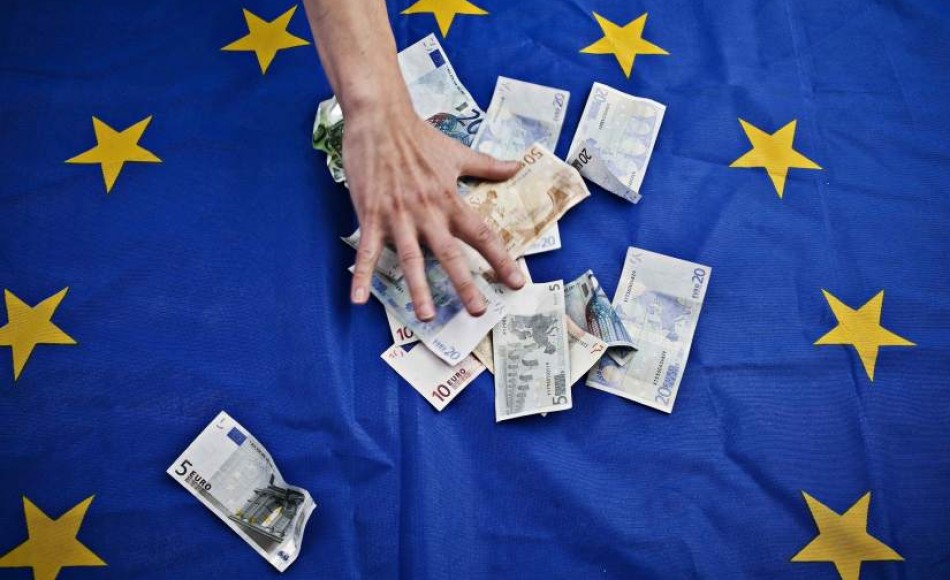
The elimination of cash, so much wanted by the government and liberal political forces, has been hampered, among others, by the EU.
Improvements portrayed as a vaccine for tax evasion often carry insidious risks to society.
(Translation by Jolanta Micinska-Hercog) (Polish version at link – translation by Aneta Chruscik) (Italian version at link)
The government is pushing for the elimination of cash, which is also the direction of the decrees issued, setting maximum thresholds.
Cash payments first at € 3,000, then € 2,000 and finally € 1,000 over a period of several years.
The main reason, or at least the announced one, is to eliminate tax fraud. However, in a letter dated 16 December last year, the EU asks the Italian government to be cautious, pointing out that the elimination of cash has already had negative effects in Spain and Greece. In addition, among the seven points presented in the list, he emphasizes that in order to eliminate cash, capital should be guaranteed for the implementation of a new alternative payment, explaining: if you want to eliminate cash, you should pay attention that the costs of implementing a new form of payment (be it commissions or purchasing electronic devices) do not fall on citizens. ).
Finally, the EU also raises another point: Cash has a good effect on the correct management of money, helping you to understand it correctly and consequently helping to control your spending.
Alessandro Montanari, a Eurosceptic journalist and TV author (his programs “Lultimaparola” (Rai2), “La Gabbia” (La7), now on Rete 4 in “Stasera Italia“, also commented on this subject), author of the book, sparked a storm of comments on “Euroinomani” by Uno Editori.
SZKOŁA JĘZYKOWA OMEGA – JOLANTA MICINSKA-HERCOG
General Magazine wanted to come back to the subject and it was from Montanari that it faced the discussions it first signaled.
Montanari, do you agree with the theory that eliminating cash will solve the problem of tax fraud?
“I would say it will be limited. The fact that without cash there will be no frauds has not been confirmed anywhere.And then it would only protect us from the evasion of small ones but not from the avoidance of large capital, which is what generates shortages in the coffers of the States.“
You were one of the first, if not the first, to point out critical points in eliminating cash: can you tell us about it?
“Let’s ignore the pros and cons that we all already know, let’s also abandon the possibility of a blackout (which, admittedly, we should bear in mind, knowing that it would throw us into chaos), let us also leave aside the cost issue, on which the EU has already intervened, as you have already mentioned . Let’s start with such considerations: cash and cards are means of payment, but one is valuable in itself, while the other is only a means of payment, which in fact – look at credit cards – are not able to estimate from the savings account the necessary value for the purchase chosen by us the goods.”
What are you going to do?
“Think about what it means to dematerialize money? What impact would this have on our habits and our way of life, and even more so on the lifestyle of future generations, those who, as children and young people, have not dealt with cash as we do with cash. We rarely think about it, but cash? it leads almost automatically to savings and responsible consumption. For example, when you pay with cash, you only buy goods when you have enough money to buy it and if you have it at the moment. Everyone from my generation, from childhood, was taught to save money through a very simple visual tactile experiment, which is very material and understandable to everyone. The grandparents who gave us money also gave us a piggy bank. If someone gave you a gift, you put your money there. You collected them there, as adults taught us to do, so that you could buy yourself the toy you dreamed of. In this way you saved, week after week, little sacrifices after small sacrifices, in order to be able to go triumphantly and excitedly to the shop and buy the much desired bicycle, thus acquiring your first and instructive experience of responsible consumption. I would like to add that this exhausting expectation had one more value: it taught us to want and choose desires, rejecting the redundant, unnecessary and beyond our reach.”
And all this is lost through electronic payments?
“If we are talking about pedagogy, about children who will become young people and then adults, I think so: they will be lost forever.
For the next generations, abolishing cash, we will not be able to give coins or banknotes to put in the piggy bank. It will also be impossible to explain that a coin equals ice on a stick, a banknote is an ice cream dessert, while a few such notes can magically turn into a bicycle. We will have to wait until they grow up to give young people a card, which, unfortunately, will be both debit and credit cards (you will see for yourself whether it will not be…). For him, this card will have no accumulated value over time, but will be the key to direct and unlimited consumption. Children will no longer have to thirst, make austerities and save. Perhaps they will only question their own desires, select and reject, they will be able to buy whatever they want when they want something by pressing one button while sitting on the couch. You won’t even need to transfer the full value to make a purchase. The credit card works on the principle that you buy when you want something, and give the money later. I will improve, you will “find” money later. I say “you will find” because this system seems to be designed to get us into debt. People in debt may say “no” fewer times than those who have savings. It can be foreseen, for example, that in order to compensate for their effort and ingenuity, they are forced to accept unworthy, if not downright humiliating, remuneration. In other words, the more you get into debt, the more blackmail-prone and docile you will be. It is inevitable. Is this the reason the system enjoys eliminating cash so much?”





 General Magazine