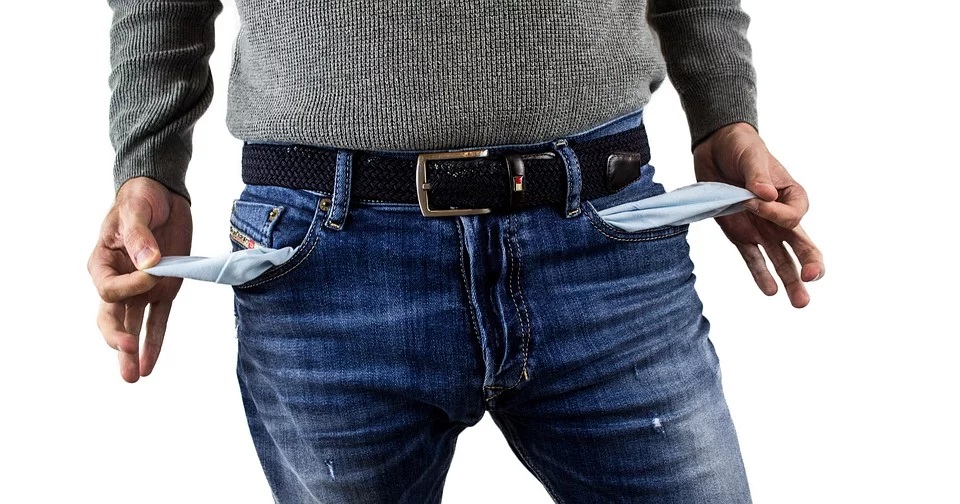
Dopo la pandemia da Covid19 le famiglie in difficoltà passano dal 46% al 58%.
Problematiche le spese impreviste di media entità.
Un aumento del 12% delle famiglie in difficoltà ad arrivare a fine mese.
Questo è lo scenario che ci troviamo di fronte oggi, con l’impatto della pandemia da Covid19 che ha messo il carico da 90 su una situazione già difficile, anche a causa dell’inadeguatezza delle misure di aiuto e sostegno messe in campo dal governo.
Il quadro che emerge dall’indagine commissionata dal Comitato Edufin alla Doxa e svolta tra maggio e giugno scorso, ossia subito dopo la fine del lockdown, ed è stata riportata dalla presidente dell’Ania, Maria Bianca Farina, vede infatti le famiglie in difficoltà passare dal 46% al 58%.
Il report mette inoltre in evidenza una difficoltà generalizzata a far fronte a spese improvvise di media entità e che, la stessa, è particolarmente accentuata tra i giovani, le donne ed i residenti al Sud. Una delle armi in grado di contrastare questa problematica ed il trend che ne deriva, secondo gli autori del report pubblicato su “Avvenire”, è quella di implementare l’educazione finanziaria tra i cittadini.
Mancano gli aiuti e l’economia non riparte, ma il governo alza le imposte.
Nuove tariffe attive dal 1 ottobre.
Si fa presto a dire “piano di rilancio per l’Italia”, un po’ ad attuarlo.
Della famosa pioggia di miliardi che deve arrivare da Recovery fund e Mes tanto sbandierati dal governo giallorosso ancora non si è visto un centesimo; senza inoltre addentrarci nelle considerazioni inerenti alla convenienza o meno dei due pacchetti ed alle loro rispettive condizionalità ed implicazioni.
Non era bastato non prorogare il pagamento delle tasse visti i mesi di lockdown e restrizioni, dal governo arriva un’altra stangata per i cittadini: aumenti a doppia cifra sulle bollette di luce e gas.
In entrambi i casi, infatti, le voci subiranno un aumento superiore al 10% a partire dal 1 ottobre 2020.
Più precisamente, la luce subirà un incremento pari al 15,6% mentre il gas del 11,4%.
Insomma, in tempi già difficili, un’altra azione che di certo non aiuta né le famiglie né la ripresa dell’economia, con l’Italia che rimane uno dei Paesi che meno ha saputo reagire all’epidemia causata dal Covid-19.
Honeywell, Intecs, Pilkington e molte altre aziende potrebbero lasciare l’Italia a causa della gestione Covid-19.
Migliaia i lavoratori a rischio.
Ci sonno oltre 100 vertenze aziendali, in Abruzzo.
A quelle di Pilkington, Honeywell e Intecs se ne sono aggiunte molte altre, tra cui quelle di Yokohama e Betafence.
La gestione italiana della crisi dovuta al coronavirus non è stata delle più esemplari, tanto che molte aziende stanno pensando di lasciare l’Italia per delocalizzare verso Paesi che meglio sappiano assistere le aziende che operano sul territorio nazionale.
I posti di lavoro in ballo sono addirittura migliaia e sul tema, all’”ANSA”, è intervenuto anche il segretario regionale Cgil Abruzzo Molise, Carmine Ranieri:
“La situazione è pesante; ci sono multinazionali che hanno annunciato la chiusura. È un segnale molto preoccupante: con la crisi Covid potremmo avere realtà che, per scelte puramente aziendali, decideranno di ridurre la filiera e delocalizzare. Alle vecchie vertenze che non hanno trovato soluzione se ne aggiungono di nuove. Migliaia gli interessati. Quando chiude una grande impresa c’è sempre un effetto moltiplicatore negativo per l’indotto.”
Continua, poi, lo stesso Ranieri:
“A settembre ci sarà da lavorare intensamente. Dovremo cercare di aiutare anche le Pmi, che hanno un ruolo fondamentale in Abruzzo. L’occupazione dovrebbe essere rilanciata anche con investimenti pubblici. Penso al Masterplan: quegli interventi dovrebbero partire subito e invece sono stati de-finanziati.”
Mentre nel mondo spingono le tendenze legate al “Black Lives matters”, il forte di Ouidah viene ristrutturato.
Previsti anche un museo e la ricostruzione di una nave.
A livello mondiale è forte la spinta del movimento “Black lives matters”, il movimento attivista internazionale, originato all’interno della comunità afroamericana, impegnato nella lotta contro il razzismo, perpetuato a livello socio-politico, verso le persone nere che organizza regolarmente delle manifestazioni per protestare apertamente contro gli omicidi delle persone nere da parte della polizia, nonché contro questioni più estese come profilazione razziale, brutalità della polizia e disuguaglianza razziale nel sistema giuridico degli Stati uniti.
Capita poi, spesso, che queste manifestazioni sfocino anche in atti violenti, finendo col distruggere statue e simboli del colonialismo oltre che, nei tafferugli, quello che si trova attualmente nei paraggi (negozi, auto, ristornati, case, eccetera).
Nel Benin, invece, è in corso la restaurazione del forte di Ouidah, dove vennero imprigionati tra il XVII ed il XVIII secolo più di un milione di uomini, donne e bambini africani in attesa di essere imbarcati su navi portoghesi, olandesi, francesi e britanniche dirette in Europa.
Il perché lo spiega Eric Accrombessi, guida turistica nativa proprio di Ouidah:
“Questa città è stata la più segnata dalla schiavitù. Ecco perché al di là dei movimenti per la rivendicazione dei diritti dei neri, vogliamo che questi luoghi vengano restaurati, perché la storia non muoia.”
Proprio perché il doloroso non passi nel dimenticatoio, oltre ai lavori per la restaurazione del forte sopracitato in cui è ospitato un’esposizione con reperti inerenti al passato schiavista, sono in programma altre iniziative simili. L’intenzione, infatti, è quella di costruire un museo internazionale della memoria e riprodurre in scala reale una delle navi dei colonialisti. Come disse George Santayana, “Coloro che non ricordano il passato, sono condannati a ripeterlo”.
The elimination of cash, so much wanted by the government and liberal political forces, has been hampered, among others, by the EU.
Improvements portrayed as a vaccine for tax evasion often carry insidious risks to society.
(Translation by Jolanta Micinska-Hercog) (Polish version at link – translation by Aneta Chruscik) (Italian version at link)
The government is pushing for the elimination of cash, which is also the direction of the decrees issued, setting maximum thresholds.
Cash payments first at € 3,000, then € 2,000 and finally € 1,000 over a period of several years.
The main reason, or at least the announced one, is to eliminate tax fraud. However, in a letter dated 16 December last year, the EU asks the Italian government to be cautious, pointing out that the elimination of cash has already had negative effects in Spain and Greece. In addition, among the seven points presented in the list, he emphasizes that in order to eliminate cash, capital should be guaranteed for the implementation of a new alternative payment, explaining: if you want to eliminate cash, you should pay attention that the costs of implementing a new form of payment (be it commissions or purchasing electronic devices) do not fall on citizens. ).
Finally, the EU also raises another point: Cash has a good effect on the correct management of money, helping you to understand it correctly and consequently helping to control your spending.
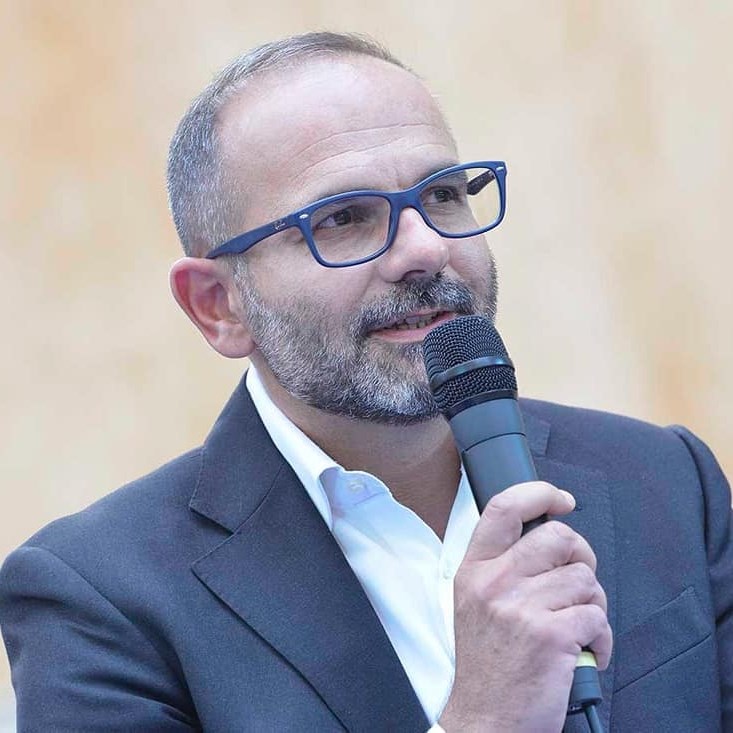
Alessandro Montanari, a Eurosceptic journalist and TV author (his programs “Lultimaparola” (Rai2), “La Gabbia” (La7), now on Rete 4 in “Stasera Italia“, also commented on this subject), author of the book, sparked a storm of comments on “Euroinomani” by Uno Editori.
SZKOŁA JĘZYKOWA OMEGA – JOLANTA MICINSKA-HERCOG
General Magazine wanted to come back to the subject and it was from Montanari that it faced the discussions it first signaled.
Montanari, do you agree with the theory that eliminating cash will solve the problem of tax fraud?
“I would say it will be limited. The fact that without cash there will be no frauds has not been confirmed anywhere.And then it would only protect us from the evasion of small ones but not from the avoidance of large capital, which is what generates shortages in the coffers of the States.“
You were one of the first, if not the first, to point out critical points in eliminating cash: can you tell us about it?
“Let’s ignore the pros and cons that we all already know, let’s also abandon the possibility of a blackout (which, admittedly, we should bear in mind, knowing that it would throw us into chaos), let us also leave aside the cost issue, on which the EU has already intervened, as you have already mentioned . Let’s start with such considerations: cash and cards are means of payment, but one is valuable in itself, while the other is only a means of payment, which in fact – look at credit cards – are not able to estimate from the savings account the necessary value for the purchase chosen by us the goods.”
What are you going to do?
“Think about what it means to dematerialize money? What impact would this have on our habits and our way of life, and even more so on the lifestyle of future generations, those who, as children and young people, have not dealt with cash as we do with cash. We rarely think about it, but cash? it leads almost automatically to savings and responsible consumption. For example, when you pay with cash, you only buy goods when you have enough money to buy it and if you have it at the moment. Everyone from my generation, from childhood, was taught to save money through a very simple visual tactile experiment, which is very material and understandable to everyone. The grandparents who gave us money also gave us a piggy bank. If someone gave you a gift, you put your money there. You collected them there, as adults taught us to do, so that you could buy yourself the toy you dreamed of. In this way you saved, week after week, little sacrifices after small sacrifices, in order to be able to go triumphantly and excitedly to the shop and buy the much desired bicycle, thus acquiring your first and instructive experience of responsible consumption. I would like to add that this exhausting expectation had one more value: it taught us to want and choose desires, rejecting the redundant, unnecessary and beyond our reach.”
And all this is lost through electronic payments?
“If we are talking about pedagogy, about children who will become young people and then adults, I think so: they will be lost forever.
For the next generations, abolishing cash, we will not be able to give coins or banknotes to put in the piggy bank. It will also be impossible to explain that a coin equals ice on a stick, a banknote is an ice cream dessert, while a few such notes can magically turn into a bicycle. We will have to wait until they grow up to give young people a card, which, unfortunately, will be both debit and credit cards (you will see for yourself whether it will not be…). For him, this card will have no accumulated value over time, but will be the key to direct and unlimited consumption. Children will no longer have to thirst, make austerities and save. Perhaps they will only question their own desires, select and reject, they will be able to buy whatever they want when they want something by pressing one button while sitting on the couch. You won’t even need to transfer the full value to make a purchase. The credit card works on the principle that you buy when you want something, and give the money later. I will improve, you will “find” money later. I say “you will find” because this system seems to be designed to get us into debt. People in debt may say “no” fewer times than those who have savings. It can be foreseen, for example, that in order to compensate for their effort and ingenuity, they are forced to accept unworthy, if not downright humiliating, remuneration. In other words, the more you get into debt, the more blackmail-prone and docile you will be. It is inevitable. Is this the reason the system enjoys eliminating cash so much?”




 General Magazine