Coronavirus, Zamagni: “Pandemic will change everything”

Work, bureaucracy, education: a pandemic will purge.
Greater importance for non-governmental organizations.
Italy has always managed, soon they will find new roads.

(Translation by Jolanta Micinska – Hercog)
(Italian version at link)
(Polish version at link – by Magda Żymła)

What coronavirus introduces, among other things, is a dramatic change in our lives, from rules to habits.

And it will also affect the mentality and understanding of the state of affairs.
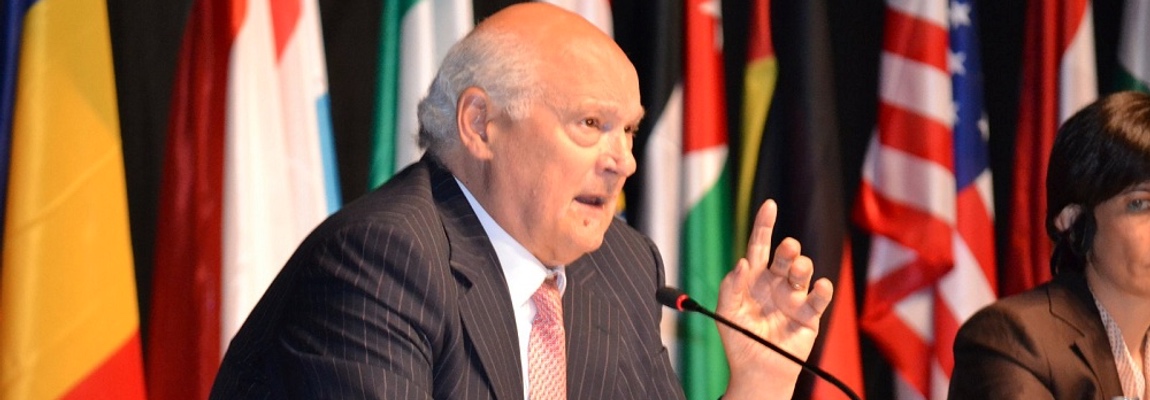
We discussed this with prof. Stefano Zamagni, former president of the Third Sector Agency, professor at Johns Hopkins University, dean of the Faculty of Economics of the University of Bologna, one of the main collaborators of Pope Benedict XVI in editing the text of the encyclical “Caritas in Veritate” (in 2007-2009) and, from 2019 , president of the Pontifical Academy of Social Sciences.


Professor Zamagni, as Wikipedia also reports, you are a global expert in the field of social economy. What is your point of view on the current situation?

“Look, those who know the Italian character, and here the story is clear, know that Italians have a specific feature: they must reach the edge of the abyss; when they get there, they put off all disputes, roll up their sleeves and start again. It has always been like that. This leads me to the conclusion that when this crisis situation is over, there will be a strong revival of our people’s interest in what we call “the common good.”

What do you mean?

“This pandemic shows us that the” total good “orientation has led to the failure we are now observing. We must replace the adjective “total” with the adjective “common”. This means that people, and above all companies, must act in order to stay on the market in conditions of good development and economic and financial balance, but not only: it is a mistake, and here responsibility also lies with professors of economics, it is stated that the goal the company is maximizing profit for shareholders (shareholder value).”

They say so indeed. What, in your opinion, is the company’s purpose?

“Historically, the company was born with the mission of producing value, or rather creating value. This value cannot be transferred to profit without coverage. Profit must be a share, even significant, in value, but not in everything as it has been in the last 25-30 years.
In this respect, many economists change their point of view.”

And how can you define this change?

“There would be many, but I’m going to pay attention to four points in particular.
The first point is what we just said. The second thing is to understand the correct nature of bureaucracy: today everyone is against bureaucracy, nobody even thinks about talking about it well, but it’s a very serious mistake.”

This is curious. Why?

“Because bureaucracy is not a cause but an effect. The reason for bureaucratization is the search for income, and the search for income is a state of mind that affects both the public and private sectors. This is due to the fact that bureaucracy is an instrument that allows (the state or private entrepreneur) to acquire and maintain rent-seeking positions.

Income is the number one enemy of both salary and profit: the higher the pension, the lower the profit and thus the lower the investment rate in innovation. On the other hand, the lower the salary, the lower the actual demand.
This pandemic will sweep away this mentality because it has shown that if a company does not introduce real innovation, it falls out of the market. Let’s look at a banal and direct example: the only companies that managed to work are those that launched the so-called smart working (15-20%); not only because they placed computers in employees’ homes, but because they changed the organization of work. Until now, again because of the search for profit, companies and organizations do not want to change the way of production, sticking to the outdated model of Taylorism and at the same time losing its resilience.
If we introduce this concept into public administration, we will understand why all political parties, from left to right, want to keep bureaucracy. They all promise to limit it, never doing it: bureaucracy serves politicians to maintain their power.
Enterprises – clearly and fortunately there are praiseworthy exceptions – do not criticize this strongly and firmly, because they themselves fall victim to bureaucracy, and are therefore afraid that by acting against public bureaucracy, it will eventually turn against them.”

So, if I properly follow your reasoning, when we have explained the need to focus on the common good rather than the total good, then we need to work out the causes that generate bureaucracy. Third thing, what would it be?

“The third thing is education.
The structure of the university education sector should be completely changed. The current structure is still the structure of the Gothic reform of twenty years of fascism: a Taylorist type structure where the teacher acts as a workshop manager who checks if students learn their lessons and where the institution functions as a courtroom where young people are assessed and sanctioned (including sense that if the sentence is negative, they fail.

The question is: why, for over seventy years, all political forces have not had the courage to change the fascist system in such an important issue as education? Why was it limited to approving reforms, not transformation?
It is obvious that we must wait for the citizens to organize and speak up if we really want school to become a place of education, not just studying.
Take the case of the reform known as Alternanza Scuola – Lavoro (“school-work alternation”): the one who invented it, I hope, had good intentions, but made a huge mistake! There can be no question of alternation between school and work, but rather of school-work coherence.”

The third point is inherent in education reform, which also applies to what was said at the beginning. And the fourth point?

“Finally, we are dealing with a scandal due to the fact that during this crisis period the third sector was kept out of the way: we have the best third sector in the world among volunteers, social cooperatives, social enterprises, NGOs, foundations and was not involved in the decision-making process .
The social dimension is not guaranteed by the state, hospitals, police or carabinieri, but by the third sector.”

How do you see the situation developing?

“Now that the events have reached the inevitable turning point, you will see that when this crisis ends, it will cause a domino effect.
People have already understood what we have talked about before is just a matter of waiting for some collective entity to start the process. It won’t be long, a few months, by the end of the year at the latest.
And it will not be a matter of finding a leader, they will appear later. Rather, it is a matter of raising awareness of organized civil society.
Once the critical mass is reached, the process of rebuilding the country can begin.
Please go to the website of the “Politica Insieme” association and you will have an idea about the current state of affairs.”

Impatto coronavirus: nasce la filiera italiana dei dpi

Dopo il forte colpo subìto per l’assenza di aziende che producessero mascherine sul territorio nazionale, molte imprese hanno riconvertito la loro produzione.

L’attuale paradigma economico improntato sul neoliberismo ed il capitalismo più sfrenato, ha spinto le aziende a delocalizzare sempre più le produzioni all’estero alla ricerca di manodopera a basso costo e facendoci così trovare impreparati nel momento del bisogno.

Quando le mascherine per proteggersi diventavano introvabili sul mercato ed il loro utilizzo veniva reso obbligatorio per legge, il prezzo è schizzato alle stelle e noi ci siamo accorti che il nostro tessuto industriale era stato spostato oltre i confini nazionali in maniera decisamente troppo marcata.

La risposta di alcune aziende non si è fatta aspettare: 135 imprese, infatti, hanno riconvertito la produzione nel giro di breve tempo facendo nascere la filiera italiana dei dpi (dispositivi individuali di protezione).

A dirlo è Domenico Arcuri, commissario straordinario per l`attuazione e il coordinamento delle misure occorrenti per il contenimento e contrasto dell`emergenza epidemiologica Covid-19, che durante un’audizione informale alla Commissione Affari sociali della Camera sulle disponibilità dei reagenti per l`analisi dei tamponi e dei dispositivi di protezione individuale, ha dichiarato:

“Oggi è nata una filiera per la produzione italiana di dispositivi di protezione individuale, grazie a 135 imprese italiane che si sono riconvertite e hanno iniziato a produrre. Al più tardi entro la fine di settembre, non dipenderemo più dall’importazione di dispositivi di protezione individuale dall’estero (soprattutto dalla Cina, dal Vietnam e dalla Corea del Sud).Abbiamo avviato anche una produzione di macchine per realizzare dispositivi di proprietà pubblica, abbiamo realizzato un accordo con due grandi aziende italiane che stanno producendo 51 macchine necessarie a realizzare mascherine chirurgiche che a regime, entro la fine di giugno, produrranno 31 milioni di mascherine al giorno.”

Thyssenkrupp in uscita dal business dell’acciaio. Compresa Terni AST

“Acciai Speciali Terni (AST)” tra le attività probabilemente non più sostenibili per il futuro. Il gruppo tedesco sta cercando acquirenti o partner.

Thyssenkrupp, il colosso industriale tedesco con sede ad Essen, starebbe pensando alla possibilità di cedere la maggioranza della sua divisione di produzione dell’acciaio.

Sembra incredibile ma sono le parole che il Ceo, Martina Merz (foto), ha rilasciato a Reuters.

Il cambiamento in questione sarebbe davvero epocale in quanto andrebbe a toccare proprio il core business che caratterizza gli oltre 200 anni di storia.

Più precisamente, Martina Merz si è lasciata scappare la seguente frase, che ha ovviamente attirato l’attenzione di tutti:

Niente è più off-limits”.

Il gruppo, costituito nel 1999 dalla fusione di Friedrich Krupp AG Hoesch-Krupp e Thyssen AG, si è classificato al 724° di Forbes Global 2000, è una delle società più grandi del mondo con un valore di mercato (a metà 2018) di circa 17,3 miliardi di dollari USA.

È inoltre quotato alla Borsa di Francoforte e alla Borsa di Londra.

Spostando la lente di ingrandimento verso l’Italia, invece, in una nota il gruppo ha menzionato lo stabilimento di “Acciai Speciali Terni (AST)” proprio tra quelle attività che rientrerebbero tra le prospettive non più sostenibili per il futuro. Il gruppo tedesco, secondo alcune fonti, starebbe cercando acquirenti o partner.

A questa notizia fa eco la nota della Fiom, che denuncia come AST sia finita “in una sorta di bad company in attesa di essere ceduta o di trovare nuove alleanze societarie”.

Articolo originariamente su “Wall Street Cina“. che ringraziamo.

Cina: altri 79 prodotti Usa esonerati dai dazi

Dopo le apparecchiature mediche a febbraio, ecco una nuova lista contenente tessuti e prodotti chimici.
Pechino prova a mostrare le sue buone intenzioni verso l’accordo commerciale con Washington, ma i numeri in gioco restano un po’ oscuri

Altro aggiornamento inerente alla guerra commerciale tra Cina ed Usa: il governo cinese ha deciso di togliere dalla lista dei dazi più elevati altri 79 prodotti provenienti dagli Stati Uniti.

Tra questi prodotti, che vedranno riduzioni di tassazione a partire dal 19 maggio e per la durata di un anno, figurano articoli chimici e tessuti.

Questo è quanto emerge dal sito del ministero delle Finanze cinese, che però non precisa quanto pesino questi prodotti nell’economia di Pechino.

Di conseguenza, non sarà facile capire quale sia l’impatto preciso per l’import cinese, ma sarà tuttavia possibile tenerli monitorati tracciandone l’andamento rispetto al passato.

L’altra strada per valutare il peso della lista messa in campo dai cinesi, è quella di vedere quanti dei prodotti presi in considerazione venivano venduti dagli americani alla Cina.

L’accordo, comunque, sembra lasciar intendere la volontà della Cina a mantenere fede all’accordo commerciale stipulato ad inizio anno con Washington; questa lista di prodotti a cui verranno ribassati i dazi fa infatti seguito alle due già pubblicate a febbraio e che comprendevano attrezzature mediche delle quali Pechino necessitava al fine di affrontare l’emergenza derivante dal coronavirus.

Koronawirus, Becchi: “Nawet Bóg nas nie uratuje”

W imię bezpieczeństwa zabrano nam wolność. Staramy się powstrzymać wirusa, który już wygrał: polityka, kościół i konstytucja zniknęły a z nimi wieki cywilizcji.

(Włoska wersja na link)
(Angielska wersja na link – Tłumaczenie Jolanta Micinska – Hercog)

Czasy w których żyjemy są bardzo niepewne. Niepewność króluje pod wieloma względami. Wirus nie jest w pełni znany, od tych, którzy go utożsamiają z grypą, aż do tych, którzy traktują go jako najgorszą chorobę. W związku z tym nie wiadomo, jak się zachować: czy zablokować wszystko czy żyć normalnie. Jedno jest jednak pewne: ta nagła zmiana zmienia

Rozmawialiśmy o tym z profesorem Paolo Becchi, byłym badaczem na Uniwersytecie Saary w Niemczech, stypendystą Deutscher Akademischer Austauschdienst (DAAD), a następnie Alexandre von Humboldt-Stiftung, wykładowcą na szwajcarskim Uniwersytecie w Lucernie i obecnie profesor filozofii prawa na Uniwersytecie w Genui.

Nasze nawyki i stanowi wyzwanie dla wolności, którą uważaliśmy za coś oczywistego.

Panie profesorze,  jakie są pana przemyślenia dotyczące obecnej sytacji?

Świat, który występuje w mojej ostatniej książce “Demokracja w kwarantannie” napisanej z udziałem Giuseppe Palma, która zostanie wydana na Jubileusz w przyszłym tygodniu, przedstawia mój punkt widzenia, nawiązuje do powieści ” Ślepota” napisanej przez Saramango. To historia nagłej epidemii, gdzie wszyscy stracili wzrok. I analogicznie my również w pewnym sensie staliśmy się tacy z powodu wirusa, który zainfekował naszą demokrację, wolność, sumienie oraz styl życia. Myślę, że nie ma sensu powtarzać sobie “prędziej czy później go pokonamy”, poniważ on już wygrał. Jednak nurtuje mnie, dlaczego nie mogę znaleźć odpowiedzi na to, jak to możliwe, że rząd włoski tak szybkim tempie zrezygnował z postanowień konstytucji dotyczących wolności, które wcześniej uważano za świętość w imię” przetrwania”. Widzisz, w imię bezpieczeństwa zabrano nam wolność. To jest fakt.

Myśląc o pandemii, rząd musi podjąć niekiedy trudne decyzje w celu zagwarantowania ochrony życia ludzkiego, nie uważa Pan?

Wszystko rozumiem, ale są różne sposoby. Wystraczy porównać naszych sąsiadów. Nie mam na myśli Szwecji, gdzie filozofia działania jest zupełnie inna, spójrzmy na Niemcy, gdzie ustanowiono jasne prawa i sankcje, bez ogranczania przemieszczenia się. To co u nas jest tylko wyjątkiem, dla Niemców to norma. W Korei Południowej zastosowano system smart tracking, który nie odbiera wolności 60 mln społeczeństwu w przeciwieństwie do tego zastosowanego we Włoszech. Podobny system zaaplikował Zaia w Veneto, który dał bardzo dobre wyniki. Niepokojące jest również, że we Włoszech funkcjonuje cenzura. Task force ma za zadanie eliminację informacji, które władze uznają za niewiarygodne.

W związku z tym według Pana wina jest po stronie politycznej?

Oczywiście i nie tylko.

Brakuje demokracji. Państwo funkcjonuje na dekretach premiera, jako aktów administracyjnych które nie przechodzą głosowania parlamentu ani akceptacji prezydenta. Nie ma również relacji Państwo- Regiony. W Niemczech, Angela Merkel sukcesywnie organizowała spotkania z reprezentantami Landów, na których podejmowano decyzje co do poszczególnych regionów, zawsze biorąc pod uwagę równowagę między wolnością i bezpieczeństwem. W naszym Państwie wina leży również po stronie opozycji, która paradoksalnie odrzucała piłeczkę po przeciwnej stronie, na niekorzyść obywateli. Ponadto poważne decyzje podejmowane są na podstawie opinii techniczno-naukowych ” ekspertów”, którzy nie mają jednogłośnej opinii. Ci naukowcy decydują o naszym życiu, nie znajądz odpowiedzi na pytanie czy wirus jest formą życia czy nie. Przeszliśmy z poziomu państwa prawa do państwa terapeutycznego. Innym problemem jest również opinia publiczna i Kościół.

W jakim sensie?

Za granicą nie są przekazywane informacje o tym jak naprawdę wygląda sytuacja we Włoszech, ponieważ zwykle czyta się prasę taką jak “La repubblica” i ” Corriere della sera”, którzy działają na zasadzie task force, o czym wyżej wspomniałem. Jesteśmy zmuszeni do kwarantanny, podczas której większość ludzi ogląda cały dzień telewizję, która emituje, która umacnia w słuszność decyzji dotyczącej ograniczeń przez włoski rząd i do tego właśnie służy kwarantanna. Sytuacja jest typowa dla reżimu autorytarnego, kreującego klimat strachu.

Mówiąc o odpowiedzialności Kościoła, co ma Pan profesor na myśli?

Ludzie umierają bez kontaktu z bliskimi, w samotności, bez możliwości godnego pożegnania, nie wspominając o uroczystościach pogrzebowych, gdzie w Niemczech są cały czas celebrowane. Mamy zmarłych potraktowanych jako odpady toksyczne. Kościół był zawsze wrażliwy na chorych i cierpiących, a dziś milczy. Św. Franciszek przytulał trędowatych, a papież Franciszek nie miał nawet odwagi wyjść naprzeciw temu co się dzieje mówiąc, walcząc o zachowanie namaszczenia chorych i godnego pochówka. Kościół zawsze był obecny na przestrzeni lat, podczas wszystkich epidemii.

Jakie są Pana prognozy na pszyszłość?

Uczestniczymy w wielkim eksperymencie społecznym, który ma na celu weryfikację jak daleko można się posunąć, aby doprowadzić do upadku całego kraju. Ten eksperyment uda się. To kraj, gdzie nie przypuszczałem, że zrezygnuje się z podstawowych wolności człowieka , kraj katolicki, który zrezygnuje z kultu zmarłych, kraj antyfaszystowski, który zrezygnował z demokracji bazującej na konstytucji. Państwo bez odporności. Limit został przekroczony, w przeciwieństwie do Heidegger myślę, że nawet Bóg nie jest w stanie nas uratować.