Situazione generale, profili ricercati e non, cosa studiare e su cosa puntare: Davide Pasqua e Oliwia Burdeńska, dell’Agenzia per il Lavoro Orienta, ci hanno detto la loro rispettivamente per Italia e Polonia.
Un’unica pandemia ma modi diversi di reagire.
Quello che è certo, è che il coronavirus ha colpito tutto il mondo; quello che cambia sono le modalità di reazione ed il loro impatto sul contesto locale.
Ecco quindi che, in base alle strategie messe in atto, ogni nazione ne esce con uno specifico scenario. In Italia la situazione è davvero critica, con numeri di crollo del Pil da tempi di guerra e percentuali elevatissime di aziende a rischio chiusura (approfondimento al link); la Polonia, invece, sembra forse essere il Paese europeo che meglio ha saputo affrontare l’emergenza (approfondimento al link).
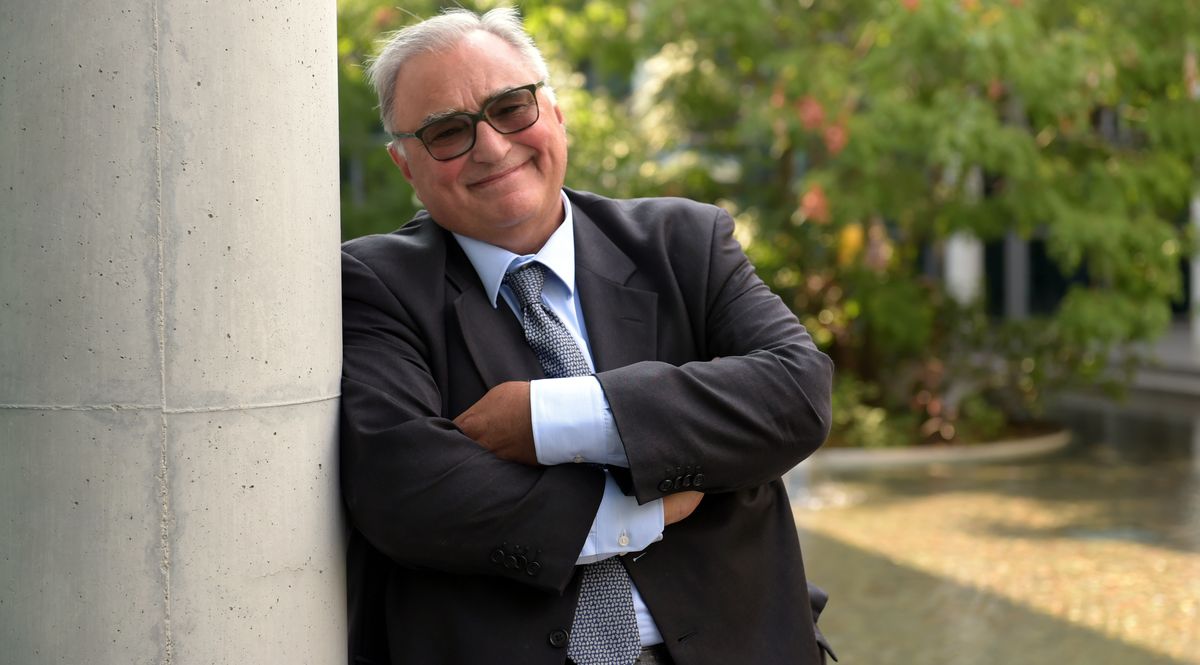
Ne abbiamo parlato con il dottor Davide Pasqua, laureato in Economia Aziendale presso l’Università degli Studi di Udine e con un Master in Gestione delle Risorse Umane ed Organizzazione del Lavoro presso il medesimo ateneo, oltre che un Praticantato come Consulente del Lavoro, attualmente Area Manager per il Friuli Venezia Giulia dell’Agenzia per il lavoro Orienta, e con la dott.ssa Oliwia Burdeńska, laureata in Comunicazione Sociale presso l’Uniwersytet Ekonomiczny w Poznaniu, con una laurea specialistica in Comunicazione Pubblica, Sociale e Politica presso l’Università Federico II di Napoli ed un Master in Organizzazione e Sviluppo delle Risorse Umane presso l’Università degli Studi di Torino, attualmente Country Manager per la Polonia dell’Agenzia per il lavoro Orienta Polska, oltre che vincitrice del premio Jane M. Klausman Women in Business Scholarship.
Com’è la situazione generale del mercato del lavoro nei vostri Paesi?
D.P. (Italia): “Nel mercato del lavoro italiano, fatto principalmente di aziende medio-piccole, la crisi è stata più marcata a livello settoriale: alcune aziende del settore alberghiero, intrattenimento e spettacolo sono state più colpite; altre sono rimaste stazionare; altre hanno convertito la produzione in tempi record adeguandosi alle nuove richieste del mercato e aumentando, in casi particolari, il proprio volume d’affari.”
O.B. (Polonia): “Sembra che stiamo tornando alla normalità. Il tasso di disoccupazione a maggio era del 6% mentre a gennaio 5,5%, quindi basandosi solo su questo dato si potrebbe dire che la situazione non sia peggiorata tanto. Da un lato, questo potrebbe essere l’effetto dello scudo anti-crisi, che era incentrato sul sostegno alla conservazione dell’occupazione, dall’altro, i datori di lavoro hanno ben chiari i recenti problemi nel reclutamento dei dipendenti – motivo per cui sono molto cauti nel recedere dai contratti di lavoro.“
Quali sono le figure professionali più ricercate e quali invece quelle che vi è più difficile riuscire a collocare?
D.P. (Italia): “Le figure professionali più ricercate sono quelle con competenze “hard” tecniche e specifiche: Ingegneri meccanici, Programmatori software, Impiegati contabili, Addetti paghe e contributi, Programmatori PLC, Tornitori CNC, Montatori meccanici. Le figure più difficili da collocare sono quelle con competenze “soft” oppure con competenze troppo generiche: Operai generici, Addetti alle vendite, Baristi, Commessi. Una attenzione particolare dovrà essere data ai giovani “neo-diplomati” e “neo-laureati” che si troveranno di fronte a un mercato del lavoro sempre più competitivo ma anche alle figure “over 50” che si sentono rispondere spesso <<lei è troppo qualificato/a per questa posizione… >>”
O.B. (Polonia): “In Polonia, prima della pandemia, a causa del tasso di disoccupazione molto basso, era difficile trovare praticamente qualsiasi figura professionale. Le ricerche più difficili erano quelle di blue collars (p.e.: dedicati all’assemblaggio) e personale tecnico qualificato (p.e.: operatori alle macchine, idraulici, meccanici). L’altro settore in cui è difficile trovare risorse è l’ICT, con la pandemia che ne ha accentuato il fabbisogno. In termini di competenze, si cercano le persone con la maggiore flessibilità, la prontezza a prendere iniziative e la capacità di adattarsi rapidamente ad una nuova situazione.”
Il dilemma è sempre lo stesso: seguire le proprie passioni o adattarsi al mercato? Voi cosa consigliereste ai giovani che devono scegliere il percorso formativo da intraprendere e che condizionerà inevitabilmente le loro vite?
D.P. (Italia): “Recentemente con Orienta abbiamo tenuto un Webinar proprio su questo argomento! Prima di tutto è importante capire bene “Chi siamo” e “Che cosa vogliamo”, questo ci aiuterà a trovare la strada da seguire per realizzare i propri progetti personali. Se facciamo una scelta guardando unicamente cosa offre il mercato del lavoro, probabilmente ci ritroveremo a fare un lavoro che non ci piace mentre se facciamo una scelta ascoltando ciecamente solo quello che ci dice il nostro cuore il rischio è di non riuscire poi a trovare un lavoro. Visto che siamo dotati di mente e cuore è importante utilizzarli entrambi per prendere una scelta: possiamo quindi analizzare il contesto del mercato del lavoro con la nostra parte razionale e fare poi una scelta con la nostra parte più istintiva.”
O.B. (Polonia): “Personalmente consiglierei loro di seguire le proprie passioni, ma allo stesso tempo interessarsi di quello che potrebbe essere più appetibile sul mercato del lavoro. Una soluzione perfetta sarebbe trovare un mix tra passioni e ciò che richiede il mercato; ad esempio si può studiare economia e, allo stesso tempo, imparare delle lingue: la Polonia e’ un leader in Europa in termini di persone impiegate nei settori SSC/BPO, quindi un contabile con la conoscenza delle lingue straniere sarà molto apprezzato. In generale sono del parere che se uno è veramente appassionato in qualcosa, troverà il modo di fare delle proprie passioni un lavoro. Quello che conta è personalità, volontà e intraprendenza! Personalmente conosco persone che hanno ottenuto successo senza aver finito neanche l’università.“
In qualità di selezionatori, quali sono gli aspetti a cui date maggior importanza nell’analisi di un cv?
D.P. (Italia): “Quando faccio un colloquio parto sempre dal “fondo del curriculum” guardando le esperienze extra-professionali perché sono convinto che se una persona fa una lavoro in linea con le proprie passioni darà il massimo. Poi l’attenzione passa alle competenze “hard” specifiche per la figura professionale che ho di fronte. Molto importanti (e spesso dimenticati nei cv…) sono anche i risultati conseguiti nelle singole esperienze lavorative: i target raggiunti sono la conferma che le competenze maturate dal candidato/a sono in grado di produrre risultati reali e quindi un vantaggio competitivo per il futuro datore di lavoro.”
O.B. (Polonia): “In Polonia, l’aspetto più importante è l’esperienza lavorativa, il cosiddetto training on the job. Proprio per questo è molto importante intraprendere il percorso lavorativo già durante gli studi. Sono apprezzati i tirocini e le esperienza acquisite nelle organizzazioni studentesche. Rispetto all’Italia, in Polonia i voti ottenuti all’università non sono importanti: durante un colloquio nessuno chiede il voto di laurea. Contano le abilità, non la carta (diploma): hai scritto nel cv che sai parlare inglese? Ok, allora parliamo in inglese. Dici di saper usare bene Excel? Ok, fammi questa tabella con queste formule. Vale la regola “meno teoria, più pratica”. Infine, qui hanno molto importanza le competenze linguistiche e le aziende apprezzano i candidati che non cambiano spesso lavoro.“