(Włoska wersja na link)
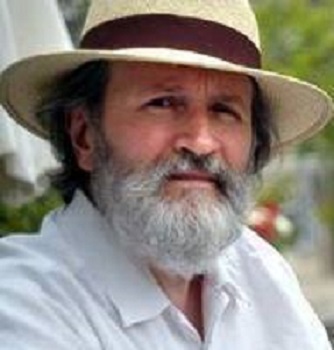
Artykuł profesora Paolo Becchi – były badacz na Uniwersytecie Saary w Niemczech, stypendysta Deutscher Akademischer Austauschdienst (DAAD), a następnie Alexandre von Humboldt-Stiftung, wykładowca na szwajcarskim Uniwersytecie w Lucernie i obecnie profesor filozofii prawa na Uniwersytecie w Genui.
Lecz jak mielibyśmy nie brać udziału w tej „wojnie” z niewidzialnym i podstępnym wrogiem, dopóki nie zakończy się ona jego całkowitą klęską, jego unicestwieniem? W wojnie, która powinna zakończyć się naszym zwycięstwem? I do tego odnosi się wrażenie, że byłoby to swojego rodzaju nowe „okaleczone zwycięstwo”. O, tak! Po bezwzględnym wezwaniu „zostańcie w domu!”, nowe, które będzie nam towarzyszyć w najbliższych miesiącach, a może i dłużej, może nawet na zawsze, wkrótce będzie miało swoje oficjalne brzmienie: „żyjcie z wirusem!”
Po pozostawieniu tysięcy zabitych na polu walki z wrogiem, teraz mamy nauczyć się z nim żyć? To bardzo dziwna wojna z wirusem prowadzona z kanapy w domu lub z łóżka na oddziale intensywnej terapii. Lecz jeszcze dziwniejsze jest to, że musimy nauczyć się żyć z wirusem. Co to znaczy żyć z wirusem? Pierwszą i najbardziej powierzchowną odpowiedzią może być to, że musimy żyć z Chinami. Wirus jest chiński i życie z nim oznacza życie z Chinami. W skrócie oznacza to przyzwyczajenie się do faktu, że Chiny stały się potęgą zajmującą przestrzeń geopolityczną i że zawsze mogą stać się „wirusowe” i łatwo rozprzestrzeniające się.
Spróbujmy jednak głębiej się nad tym zastanowić, mając nadzieję, że nie dotrzemy do sedna sprawy. Jeśli jest coś, czego nauczył nas ten wirus, to jest to, że byliśmy i nadal jesteśmy gotowi zrobić wszystko, aby ocalić nasze życie. O jakim życiu mowa?
Wyjaśnijmy to. Arystoteles już wcześniej odróżniał życie jako „bios” od życia jako „zoé„. Zoé to “nagie życie”, prosty fakt życia, życia, dzięki któremu biologicznie istniejemy; bios, przeciwnie, to życie, którym żyjemy, życie uwarunkowane sposobem w jakim je przeżywamy: to „stan życia”, „nadanie sensu zoé”. „Kwarantanna” to nic innego, jak nasze wyrzeczenie się każdego „stanu życia”, w imię „nagiego życia”. Ale czymże jest „nagie życie”, pozbawione wszelkich cech życie, które nie będąc życiem, jest niczym? Sam wirus jest tym życiem, w jego skrajnej formie: życiem tak „nagim”, że nawet nie wiemy, czy jest naprawdę „żywy” czy nie. Fałszywie żywy, fałszywie śmiertelny, wciąż nieproszony gość, intruz. Czy wirus jest życiem? To pytanie, na które nauka nie jest jeszcze w stanie odpowiedzieć. Być może nie na każde pytanie da się odpowiedzieć. „Nauka”, „wirusolodzy” (cóż to za spektakl ci eksperci, zdolni podsycać zbiorową panikę i którzy mówią nie wiedząc nawet o czym mówią!) w rzeczywistości nawet nie potrafią powiedzieć, czym jest „wirus”, ale to oni decydują teraz o naszym życiu i śmierci. To nie przypadek. To oni jako pierwsi przy zastosowaniu technik reanimacji oraz przeszczepów narządów rozdzielili to, co w człowieku było nierozłączne: życie czysto fizyczne i życie biograficzne. Nie, nauka i medycyna nie uodpornią nas na tego wirusa.
Co nam zatem pozostaje? Może uda nam się przejść od fizyki do metafizyki, lub jak kto woli, do „biologii filozoficznej”, o której mówił Hans Jonas. „Nagie życie” wirusa – pozbawione przemiany materii? – lub bardziej: nie-życie. Byt pozbawiony istnienia. A jeśli życie to nie jest życiem, to także nie umiera. Oto dlaczego nie pozostaje nam nic innego jak żyć z tym wirusem.
Ale czy ma sens żyć z nim, przystosowując się jak dotychczas, do jego poziomu, do nagiego życia przeciwko nagiemu życiu? Oto egzystencjalne pytanie na kilka kolejnych miesięcy, a może i lat. Nic już nie będzie takie jak kiedyś. Źle zrobiliśmy sprowadzając wszystko do „nagiego życia”, i teraz jesteśmy zmuszeni z tym żyć. Życie z koszmarem, paniką, obsesją na punkcie wirusa. Na zewnątrz, owszem, ale w rękawiczkach i maskach. Czy już na zawsze pozostaną częścią naszego ubioru, jak krawaty i szale? Czy nauczymy się całować z maską bez kontaktu języków, a może przez prezerwatywę? Czy będziemy się przytulać na odległość? Zajęcia na uniwersytetach i w szkołach będą odbywać się na odległość? Z drugiej strony może będziemy szczęśliwi (szczęśliwi?), że jesteśmy w ciągłym kontakcie przez Whatsapp, Facebooka, Twittera, Instagram, bardzo blisko w świecie wirtualnym, lecz oddaleni o dwa metry w świecie rzeczywistym?
Pozostaje jednak pytanie, czy możliwe jest zbudowanie autentycznej „Gemeinwesen„, ludzkiej wspólnoty, opartej na dystansie. Nie na dystansie społecznym – różnice społeczne istniały zawsze – ale na dystansie między ludźmi, między ciałami. Widzieć się, słyszeć, ale nie dotykać? Nie móc nawet pieszczotliwie pogłaskać twarzy drugiej osoby? A jednak sam Arystoteles jako pierwszy nauczał, że jedynym zmysłem, bez którego nie da się żyć, jest właśnie dotyk.
A my podążamy właśnie w tym kierunku. W kierunku społeczeństwa bezkontaktowego lub z kontaktami ograniczonymi do minimum. To oznaczałoby zwycięstwo wirusa. Żyć z wirusem w ten sposób, to jak przyznać się do porażki. Odejdzie sam, podążając za prawami swojej natury, lecz naszą naturę zdążył już zmienić. Bezpieczeństwo tkwi w dystansie. A nawet na dystans odzież ochronna będzie obowiązkowa: dla każdego maski i rękawiczki. Nagie życie zwycięży wtedy nad naszymi nawykami, naszymi historiami, naszym życiem. Ale czy nie-bycie człowieka jest naprawdę czymś straszniejszym niż autentyczne nie-istnienie? Prościej: czy przetrwanie nagiego życia jest naprawdę najwyższą instancją? Z punktu widzenia darwinizmu społecznego na pewno tak jest. Ale to nie dotyczy innych punktów widzenia. Wystarczy pomyśleć o Walterze Benjaminie: „Człowiek w żaden sposób nie współgra z nagim życiem”(der Mensch fällt eben um keinen Preis zusammen mit dem blossen Leben). Tranchant. Człowiek nie żyje jak roślina. A nawet jeśli dzisiaj się tak zdarza, to mamy do czynienia z tragiczną rzeczywistością wykreowaną przez techniki reanimacyjne. Ale dla człowieka liczy się nie tylko „nagie życie”, liczy się przede wszystkim opowieść o życiu, życiu żywym.
Przecież właśnie dlatego prawa podstawowe, takie jak wolność osobista, swoboda przemieszczania się, wolność wyznania, a nawet swoboda wypowiedzi, upadały jeden po drugim jak żołnierze wysyłani na rzeź. Bo jeśli wszystko to, co ma znaczenie, oznacza po prostu „ratowanie” nagiego życia, to każdy ruch jest dozwolony. Bariera ta została znacznie przekroczona za sprawą niecywilizowanego, barbarzyńskiego, bezlitosnego leczenia zarezerwowanego dla pacjentów zakaźnych. Mężczyźni i kobiety zostali pozostawieni sami sobie na śmierć, nie mogąc nawet po raz ostatni zobaczyć swoich krewnych, a ich ciała spalono jako toksyczne odpady. Czy w takiej sytuacji mówienie o prawach i prawie nadal ma sens? A wychodząc od praw łatwo przejść do kwestionowania porządku konstytucyjnego. Aby stawić czoła kryzysowi sanitarnemu prawa i prawo zostały zneutralizowane, zawieszone. Wystarczą „krzyki” telewizyjne Szefa poprzedzające jego działania administracyjne, które mają na celu ratowanie „naszego życia”. Czy to możliwe, że przyszło nam to wszystko zaakceptować? Czy pozostała jeszcze jakaś nadzieja?
Relacjonowany w wiadomościach przypadek dziadka z Savony, który nie mogąc dotknąć swojego wnuka, wolał się zabić, to nareszcie jeden z nielicznych przypadków człowieka, który wygrał walkę z wirusem. Dziadek, jak na swój wiek, był z pewnością bezbronnym podmiotem, bardziej narażonym na zarażenie, lecz dla niego istniało coś ważniejszego niż nawet jego własna osoba, coś wyższego niż samo przetrwanie. Dla niego najważniejsze było życie z wnukiem, a z tego nie mógł i nie chciał zrezygnować. Przetrwanie samo w sobie: to już nie było dla niego Życie.