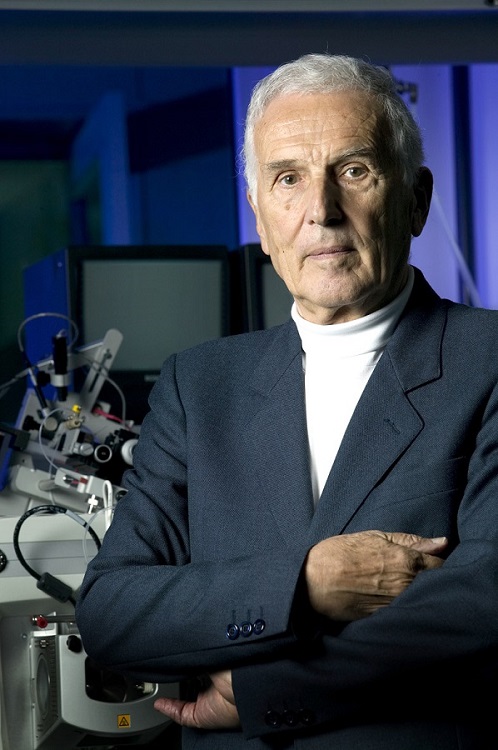
Coronavirus, Garattini: “Italia impreparata. Sfruttiamo la lezione”

Nel male, dobbiamo fare tesoro della situazione: più soldi a Sanità e Ricerca.
E poi bisogna creare protocolli e procedure per saper gestire eventuali future emergenze.

Una nazione in affanno, messa in ginocchio da un virus.

Un nemico da contrastare che presenta due caratteristiche insidiose e temibili: invisibilità ed infettività.

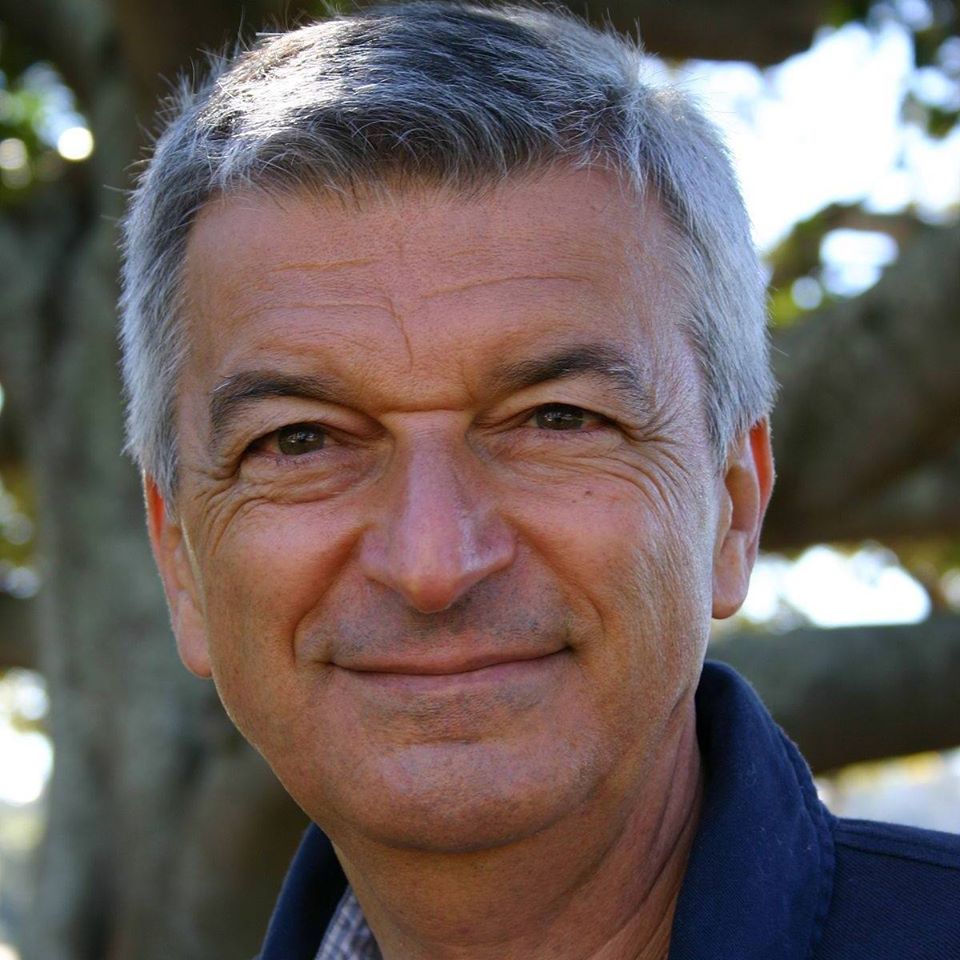
Questo è il quadro generale della situazione italiana; ne abbiamo parlato con il Professor Silvio Angelo Garattini, scienziato e farmacologo, Presidente e Fondatore dell’Istituto di Ricerche Farmacologiche Mario Negri IRCCS.

Prof. Garattini, dove nasce il coronavirus?

Da quello che hanno detto autorevoli virologi, nasce probabilmente da un pipistrello o comunque da un animale, per poi mutare sino a raggiungere la capacità di trasmettersi all’uomo. Vivendo in un mondo globalizzato si è poi diffuso un po’ dappertutto; il tracciato indicherebbe che in Italia, nello specifico, sia arrivato a quello che si chiama “paziente 1” di Codogno dalla Germania. È però tuttavia altamente probabile che ci siano state molte altre fonti di contagio.

Ritengo, invece, che non trovi alcuna base l’ipotesi che sia stato costruito in un laboratorio.”

E perché l’Italia ne sta soffrendo in maniera così particolare?

Guardi, vi sono una molteplicità di fattori da considerare. Pensiamo anche solo a come vivono le popolazioni, agli usi ed alla mentalità: rispetto a Paesi come Cina, Giappone e Corea del Sud, noi siamo soliti esprimere le relazioni umane attraverso contatto fisico, dalla banale stretta di mano ai baci e gli abbracci soventi. Un banale esempio: alla partita Atalanta-Valencia vi erano 25.000 tifosi bergamaschi che ad ogni goal si abbracciavano e baciavo per festeggiare; questo può benissimo essere stato un detonatore enorme per i contagi.

Ci aggiunga che all’inizio l’emergenza sia stata un po’ sottovalutata da parte di tutti e quindi non si sia attivato nessun piano per le epidemie, capirà che con un virus di questo tipo, altamente contagioso e spesso asintomatico, basti poco per far esplodere i contagi.

Diciamo che c’è stata un po’ di imprevidenza, forse sarebbe stato opportuno un approccio come quello adottato al tempo della peste suina, ma ovviamente dirlo adesso è facile.”

Come interpreta i numeri legati all’epidemia?

Dipende da come li vogliamo analizzare, da cosa vogliamo vedere: possono dire tanto e niente allo stesso tempo. Per fare delle statistiche corrette bisognerebbe innanzitutto fare i tamponi a tutti, prendere coloro che sono risultati positivi e da li procedere a calcolare i vari tassi che ci interessano (mortalità, letalità, eccetera). Un dato che ritengo importane è quello inerente al numero dei ricoveri ospedalieri: ci sono moltissime persone che sono asintomatiche o che guariscono da sole senza grossi problemi (circa l’80%), ma quello che conta è capire per quante persone è stato necessario il ricovero ospedaliero, così da evincere l’entità della gravità del virus.

I punti di riferimento che abbiamo ad oggi al fine dei calcoli statistici sono la nave da crociera “Diamond Princess”, i dati ricostruiti dal sindaco (che è un fisico) di Nembro ed infine i dati dell’Ispi: si tratta di casi a perimetro chiuso che ci permettono di conteggiare più precisamente ciò che vogliamo analizzare e dai quali emerge una letalità pari a circa l’1%.”

Crede che sia possibile creare un vaccino? Se si, ci darà l’immunità o sarà come quelli influenzali?

Il vaccino arriverà, speriamo entro la fine dell’anno. Si sta lavorando per ottenere un vaccino che sia in grado di dare l’immunità ma è ancora troppo presto per saperlo. Bisogna riuscire a capire quali sono le caratteristiche con cui il virus muta; se non si riuscirà a crearne uno che dia l’immunità, se ne produrrà uno in stile vaccino influenzale, ovvero che sia in grado di contenere lo zoccolo duro delle informazioni del virus da combattere.

Di conseguenza, al momento, è anche impossibile fare proiezioni sul fatto che arrivino seconde ondate o meno, proprio perchè prima dobbiamo capire come si comporta il virus. È comunque probabile che, esattamente come l’influenza, sia un’infezione che muti leggermente e torni tutti gli anni; fosse così, ci dovremmo vaccinare molto di più, soprattutto le persone a rischio.”

Mentre aspettiamo il vaccino, il servizio sanitario nazionale è al collasso. Qual è la sua disamina da questo punto di vista?

Innanzitutto va detto che per fortuna c’è un servizo sanitario pubblico. Poi ritengo che lo stesso abbia fatto tutto quello che era possibile fare; quello che è stato fatto dagli ospedali lombardi e nello specifico da quello di Bergamo, difficilmente sarebbe stato fatto dai migliori ospedali di tutto il mondo.

Il vero problema è che eravamo impreparati e che, quindi, molto del personale medico non è stato adeguatamente equipaggiato di tutto quello che serve per poter far fronte ad un’infezione virale.

Ancora oggi si parla di non aver il numero sufficiente di respiratori ma anche solo di mascherine.”

Dall’alto della sua esperienza e dei prestigiosi ruoli da lei ricoperti, cosa si sente di suggerire?

Spero che una volta passato questo brutto momento non ci si dimentichi di tutto semplicemente non parlandone, ma si colga l’occasione per studiare e mettere in atto delle procedure adeguate, davvero senza polemica alcuna.

Dal mio punto di vista mi sento di indicare in particolar modo tre cose da migliorare.

La prima è la mancanza del rapporto territorio-ospedale: la nostra mentalità è ospedalocentrica, mentre credo che il territorio dovrebbe fare da grande filtro. Abbiamo visto che i medici di medicina generale non hanno ricoperto un grande ruolo perché non sono stati messi nelle condizioni di farlo.

La seconda riguarda le riserve, se così le vogliamo chiamare: abbiamo un mucchio di armi, di corazzate, di aerei, che sono a disposizione nel caso in cui dovessero servire; non vedo perché non dovrebbe essere altrettanto per le attrezzature mediche. Lo facciamo per motivi militari, e non lo facciamo per la salute?

La terza si riaggancia a quello che dicevamo prima. Oggi tutti chiedono ai ricercatori di fare il più in fretta possibile, di dirci cosa si deve fare, eccetera, però in Italia abbiamo ridotto la Ricerca alla miseria, tanto da essere il fanalino di coda sotto ogni profilo: investimenti, numero di ricercatori, vincoli di sperimentazione sugli animali che, per quanto brutto, ci servono perché determinate sperimentazioni non le possiamo fare sulle persone.

Come dicevamo è un mondo globalizzato: viaggiamo noi, viaggiano le merci, viaggiano anche i batteri ed i virus. Speriamo non succeda di nuovo, ma dobbiamo essere preparati per fronteggiare emergenze di questo tipo.

Pandemic Bond: cosa sono e come funzionano. Ci rimettiamo?

Costituiti esattamente come obbligazioni, sono inerenti al verificarsi o meno di una pandemia.
Per chi li stipula, però, è facile guadagnarci o non perderci niente.

I Pandemic Bond sono delle vere e proprie obbligazioni; più precisamente sono dei contratti assicurativi contro una pandemia (esattamente come quella attuale del coronavirus).

Il loro lancio sul mercato era stato annunciato dalla Banca Mondiale durante il G7 di Sendai, in Giappone, nel maggio del 2016 e sono poi stati emessi nel 2017.

Più nel dettaglio, la Banca Mondiale, appunto nel 2017, ha emesso due tipi di bond: il primo è inerente esclusivamente alle pandemie di coronavirus o influenza (il coronavirus è il virus che genera l’influenza ma anche il semplice raffreddore; ce ne sono molti tipi ma la “famiglia” è la stessa) e raggiungeva emissioni totali per 225 milioni di dollari; tra le condizioni necessarie per farlo scattare ci sono la presenza di almeno 2.500 vittime in un Paese più almeno altre 20 in un altro.

Il secondo bond, del valore di 95 milioni di euro, è invece legato ad una più vasta gamma di casistiche (ad esempio l’ebola ed altre malattie) e per farlo scattare (o per farne scattare parte di esso) sono necessarie almeno 250 vittime.

Entrambi i bond hanno rendimenti elevati: il primo paga un tasso del 7,5%, il secondo addirittura del 12,1%.

La scadenza dei bond è fissata al 15 luglio 2020. Se l’Oms dichiara lo stato di pandemia prima di questa data, i possessori dei titoli si vedranno rimborsare solo una parte del capitale oppure addirittura niente.

L’Oms ha dichiarato lo stato di pandemia in data 11 marzo 2020.

La dichiarazione dello stato di pandemia, tuttavia, non è l’unica clausola; altre clausole sono inerenti, ad esempio, al numero dei Paesi coinvolti ed il tasso di crescita del contagio.

Le condizioni necessarie a far scattare il taglio dei bond sono quindi complesse. Tanto complesse che la loro certificazione necessita di un’apposita società.

Questa società, come riportano “QuiFinanza” ed “Altroconsumo Finanza”, è la “Air Worldwide Corporatrion” (società privata americana).

I possessori di questi bond non sono investitori al dettaglio, ma solamente a banche e gestori e, come per ogni titolo, c’è chi ci guadagna e chi ci perde.

Se i possessori sono banche e gestori, viene da pensare, sia un problema loro. Ma non è del tutto così.

In questo caso, infatti, è possible che i medesimi possessori abbiano inserito questi titoli nei fondi dei loro clienti o comunque nella loro gestione patrimoniale; in tal caso la cosa impatterebbe negativamente nei portafogli.

La casistica ricorda i casi Cirio e Parmalat, in cui ci hanno rimesso anche i risparmiatori tenuti all’oscuro.

Per sapere se nei vostri portafogli ci finiscono anche i rendimenti di questi bond, potete chiedere ai vostri gestori o banche la presenza dei medesimi bond che hanno Isin XS1641101172 e XS1641101503.

Coronavirus, Montanari: Vaccine is a big scam

What is this? How does it work? Why are we in a state of emergency and what is behind it?
Stefano Montanari comprehensively explains the issues related to the coronavirus.

(Translation by Jolanta Micinska – Hercog)
(Italian version at link)
(Polish version at link – Translation by Magda Żymła)

The hot theme of this period is, for sure, coronavirus.

An invisible and cunning enemy that caused the world to stop.

We tried to imagine what might be behind it (more information under the link) and also engaged our readers (more information at the link).

Today, one of the leading experts in this field comes to the fore: Dr. Stefano Montanari, nanopathologist, professor at the Steliora Centre in Geneva, author of several patents in the field of cardiac surgery, vascular surgery, pneumology and a designer of systems and equipment for electrophysiology, director of the Scientific Laboratory of Nanodiagnostics in Modena, lecturer of several national and international master studies, author of numerous scientific publications, former consultant of the Public Prosecutor’s Office and the Italian Observatory Military. He has been working continuously in publishing with his wife Antonietta Gatti, who has been listed as the top 32 scientists in the world since 2012, and more than twenty years ago, the discoverers of micro- and nanoprosic diseases and disorders have worked with her.

Dr. Montanari, what is the coronavirus that scares us so much?

“It is a chemical chain belonging to the corona family of viruses, of which there are thousands; just think that the usual common cold is usually caused by coronavirus; it is a highly infectious (and therefore contagious) virus, but it is usually harmless – in the vast majority of people without any symptoms (most likely now that we talk, we ourselves have a coronavirus and so has at least half of the Italian population).

In fact, it is a new influenza virus that has the trait that attacks the lungs and therefore pathologically affects the elderly, smokers and people who already have previous ailments, and therefore, in addition to the fact that they suffer from some disease units, they also take certain drugs, for example, hypertension. In general, healthy people are not affected by this virus at all, which, I repeat, becomes ubiquitous and very normal, as are the huge number of other viruses.”

And where was it born?

“I heard everything about it and the opposite of everything; when I hear that it started with bats or snakes, I laugh and think we only miss the unicorn.

I do not know where it came from, only a few people in the world have such knowledge, but viruses like these are very easy to modify, mix, rework in the laboratory … it may happen that you get out of the lab by mistake or intentionally. It certainly wasn’t alone, as former Health Minister Lorenzin might have assumed, when he said viruses were creeping and jumping.”

You say that it is a virus that is not a problem in itself, but people in Italy are dying in more numbers than in China, let us think of Bergamo, for example. If you say so, where do all these deaths come from?

“Look, this is how it works: we fill people, especially the elderly, with flu vaccines and weaken already weak bodies. This is because with the help of a vaccine we intend to inject an old virus into the body (the goal should be to create antibodies), but there are no flu vaccines and therefore we do nothing but weaken the body and subject it to a new flu (even a new coronavirus), and in addition, the old virus was injected into the body, so you have a total of two possible flu in an already overworked body.  The BBC, a British state broadcaster, has issued a report saying that people vaccinated against influenza must remain in isolation for 12 weeks (available at the link). It seems to me that this can already give you a thought. If we take the official numbers of the Higher Institute of Health, we will see that they died “with” coronavirus, then 3 people and personally I have doubts about these 3; in addition, if we pay attention, we will notice that the map of the dead coincides with the map of vaccinations carried out. The higher the density of vaccinated people, the higher the density of people infected with the virus. Official figures are clear: dying people have been affected by other potentially fatal diseases, and often even more than one. Therefore, we say that people die “with” coronavirus, not “because of” the coronavirus.

Finally, I stress that the number of deaths is the same as each year due to normal flu, which proves that the coronavirus has not increased mortality.”

Let me understand: if the problem is not the virus itself, because it is not fatal, it means that the problem is Italian health care. Is that how I should treat it?

“That’s right! The problem is that we are not prepared for so many cases of lung disease; and we are not, because our politicians have not been prepared for the last 10 years. Over the past decade, we have only weakened health care by reducing the number of hospitals, staff, machinery and equipment. Today we need respirants and we don’t have them. In addition, we are reducing education, thus we are not able to train medical staff to the right level or maintain it in Italy because of the devaluation of work, and we do not provide the materials needed by doctors to perform their work. We have fewer than 4 intensive care facilities per 1000 inhabitants: it’s a scandal.

Let us add, finally, a system of widespread corruption, which has two problems; first, for a product that normally costs 10, in Italy you pay 20, using inappropriately the small sum that is available; secondly: doctors must carry out dictatorships of the regime, otherwise they will be deprived of the right to practise… and they also have a family to live.”

You are telling us that the problem is the inadequacy of the health care system and those who have managed it over the last 10 years. If so, does that mean that the provisions that have given us a level of prevention are also wrong?

“Worse, they are often complete nonsense. Just think about wearing gloves: in this way we protect our “good” fungi and bacteria from contact with the virus and fighting it; in these gloves soaked in the virus we go and touch clothes, money, surfaces, etc., spreading the virus everywhere. Masks are useless because the virus is able to enter in huge quantities into a cell, the order of which is the size, is a few thousands of millimeter parts; imagine what mask can do to work on such sizes: nothing!

They tell us to stay at home when we need to go outside, because the sun is necessary, gives us the opportunity to metabolize vitamin D, which is needed for our immune system. And riding a motorcycle, which has always been recommended to maintain good health, is even banned under decree. In short, these recipes prepare the body to adopt not only this virus, but in fact many pathogens. Without taking into account all that is inherent in depression, mood and fear: anything that has the opposite effect on what we need for the body to react. When I worked in Sweden for a while in the early 1970s, the chief doctor said to me, “You see, here is the one who wants to die, and the one who wants to live, survives, and that makes all the difference.”

Going back to vaccines, as far as I understand whether flu injections are some kind of scam?

“It’s not a kind of scam, it’s a real falsehood. The vaccine can only be defined as such for diseases that give immunity (measles, rubella, chickenpox, etc.) and not for colds or flu; I was a student of Luigi Di Bell and said that the cured flu lasts seven days, and the uncured lasts a week. If a real disease does not give immunity, it is absurd to hope that the vaccine can do it, which is nothing more than a disease in the form of an attenuated form.

And even worse are those universal vaccines that have become mandatory for children and without which they cannot go to school. If the vaccine is supposed to prevent the disease, why worry so much about children who don’t? Those who are vaccinated should be safe… but apparently they are not and demand the vaccination of everyone, beyond all control, because any vaccination means money. Money for pharmaceutical companies, with added value, which can not boast any product in the world, up to alms, which doctors shamely accept: a few euros for each injection made.

But I will tell you more: vaccines are legally exempt from all trials, experimentation and have not even been seriously tested for at least 33 years;

And as if that weren’t enough, vaccines are the only product in the world for which no civil or criminal liability is incurred: it is true that if the vaccine creates any problems for the vaccinated person, it receives compensation, but is paid for by the Ministry of Health, not the entrepreneur who registered the vaccine. Let’s add that those who exist in the vaccine business do not have the slightest trouble finding customers, because you are simply obliged to be a buyer, and advertising is provided by the state.”

If I keep up with your line of reasoning properly, I think if flu vaccines are a scam, then the vaccine against corona virus can be a colossal affair.

“Of course! Soon, a little wash will come out of Israel and/or some big pharmaceutical company and these washes will be passed on as a vaccine against the coronavirus. Defining it as such because the epidemic is global, it will force 7.5 billion people to vaccinate: as with many other vaccines, the trader will not even have to waste time looking for his clients, because everyone will be forced to be. The difference is in numbers.”

So the corona pandemic virus is set? Is this why they did not close the stock market (more on this link)?

“It’s one big scam. Think that in 2017, bonds were issued that put on an interesting corona virus infection that would take place between 2020 and 2021: how much money could you earn? who bet on such a seemingly improbable event as this?

Then think about how much money companies lose on the stock market every day. Take a practical example, however: you have a pizzeria, but you have a responsibility to keep it closed and that’s why you don’t make money on it, but in the meantime you have to pay rent, pay staff, bills, taxes, mortgage, if you have it, food stocks lose your shelf life and you have to buy new ones. Time is passing and we don’t really know how long the quarantine will last, but the united environment keeps telling us that it will take longer and longer (we are already talking about October); in the meantime, staying at home, he gets into depression and fear. A nice guy comes and offers to buy a pizzeria for 1000 euros: of course you sell it immediately to free yourself from costs and risks, while considering the buyer as a saint.

The same example is repeated on companies: after the epidemic ends, a small group of people will buy everything and do it at a ridiculously low price, maybe they will even be considered saints or heroes.”

Finally, a bit of a personal question: is it true that you sold your house to raise funds for research? And is it true that the necessary tool for research has been taken away from you?

“It’s true. But it is also true that I would not do it again, given the way they treat us and what we have just seen: people don’t deserve this sacrifice. As for the tool, the electron microscope, they took it to us ten years ago. The fundraiser, which was organized to buy, brings disappointing results, and that’s why I repeat that people don’t deserve anything.”

Coronavirus, Harvard boccia l’Italia. Bene il Veneto.

La rivista della nota università esamina la gestione italiana dell’emergenza: sfortuna, errori e frammentazione.
Bene il Veneto.

l'”Harvard Business Review“, ovvero la rivista della famosissima università americana, ha pubblicato un’analisi inerente a quello che, secondo loro, si può imparare dagli errori dalla gestione italiana nel contrasto al coronavirus.

Dal loro punto di vista, gli studiosi sostengono che ci siano aspetti imputabili alla pura sfortuna, altri invece ad errori e frammentazione della gestione.

Lo studio è reperibile a questo link e, come riportato dall'”HuffPost“, mette in luce come l’Italia non abbia saputo guardare e sfruttare i Paesi che sono stati per primi coinvolti dall’emergenza, Cina su tutti.

Sbagliato, in particolar modo, l’approccio tenuto da alcuni politici che invitavano alle campagne “#abbracciauncinese” oppure agli aperitivi in centro, per poi ritrovarsi positivi al coronavirus come Nicola Zingaretti (approfondimento al link).

Altra considerazione degli studiosi americani, è stata la frammentazione, ovvero il movimento non omogeneo nella gestione dell’emergenza da parte di tutte le regioni.

In questo senso si legge, infatti:

“Il Veneto ha adottato un approccio molto più proattivo al contenimento del virus. La strategia veneta era articolata su più fronti. La meticolosità del metodo veneto, dove sono stati fatti più test, il tracciamento dei contatti è stato più rapido e preciso, gli operatori sanitari sono stati riforniti presto delle protezioni necessarie, ha portato a più risultati.”

Infine, la rivista sottolinea che comunque per avere un quadro chiaro della situazione da poter esaminare concretamente, servirà tempo; addirittura diversi mesi se non anni.

Coronavirus, Ocse: agire subito o le conseguenze saranno gravissime

Il segretario generale dell’Ocse invita tutti i governi ad una risposta netta, coordinata e soprattutto decisa.
Diversamente si rischiano milioni di morti ed una sanità decimata.

Spendere tanto ed ora.

Questo il messaggio che arriva dall’Ocse, in cui si invitano tutti gli Stati a prendere tutte le misure necessarie ed a farlo subito.

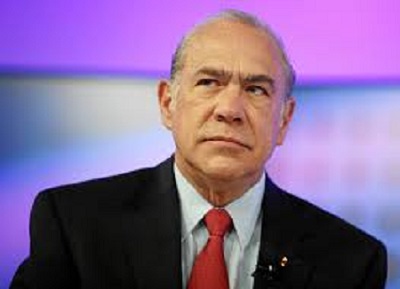
A lanciare il monito, come riporta l'”Ansa“, (qui il link) è il segretario generale Angel Gurria:

“I costi elevati per una risposta da parte delle autorità sanitarie pubbliche sono necessari per evitare conseguenze molto più tragiche ed un impatto ancora peggiore sulle nostre economie domani.”

Secondo Gurria il rischio si sostanzierebbe in “milioni di morti ed una sanità decimata“; in tal senso, dice, “serve un’azione pià netta e coordinata dei governi“.

Il segretario generale dell’Ocse continua poi la sua disamina aggiungendo maggiori dettagli in merito al rischio:

Si stima una perdita del Pil globale di due punti percentuali per ogni mese di misure di contenimento, con il turismo che rischia un 70%. I modelli dell’Ocse suggeriscono un declino della produzione fra un quinto e un quarto in molte economie.”