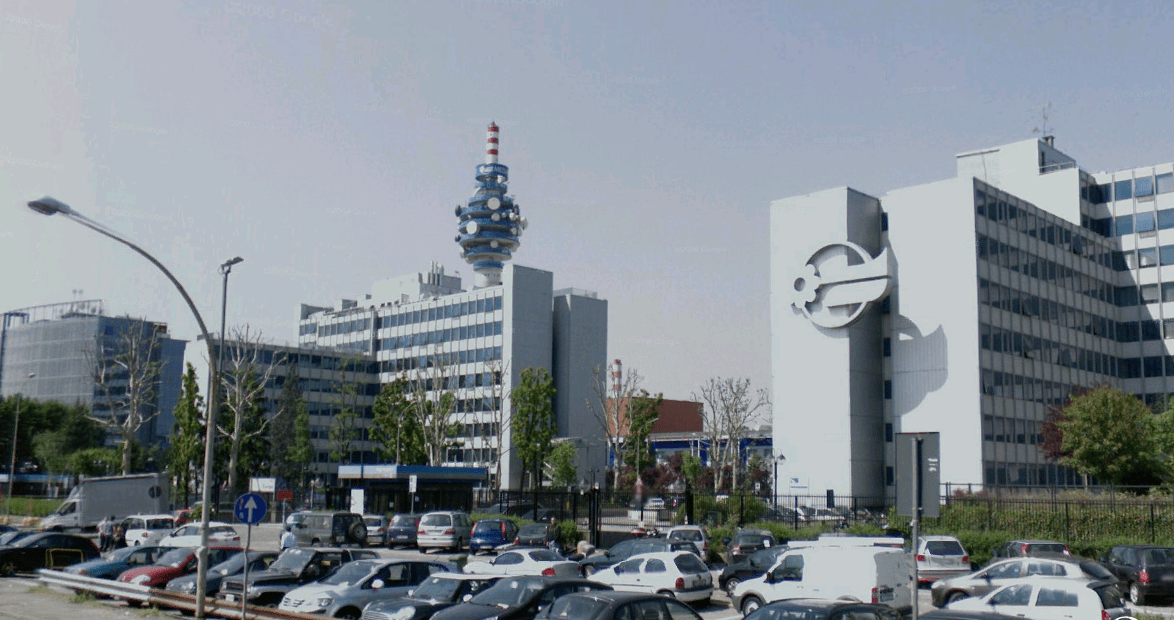
Voto favorevole dell’assemblea al 95,57%.
Residenza fiscale e amministrazione centrale rimarranno in Italia.
Con una presenza pari all’81,81% del capitale, l’assemblea ha espresso un voto favorevole pari al 95,57% al trasferimento della sede legale di Mediaset in Olanda.
Esattamente come fatto da Fiat (ora FCA) qualche anno fa, anche Mediaset trasloca e porta la sede legale nei Paesi Bassi.
Le parole del presidente di Mediaset,Fedele Confalonieri, sono state le seguenti:
“Con assoluta convinzione e determinazione, abbiamo cercato di portare avanti il progetto MFE e siamo pronti per iniziare questo nuovo percorso europeo. La scelta dell’Olanda come sede legale è volta a collocare la sede della società in una giurisdizione che, per diversi motivi, risulta ideale allo scopo di un consolidamento su scala pan-europea come dimostrano i numerosi trasferimenti proprio in Olanda della sede di molti gruppi, anche italiani, a vocazione internazionale.”
In una nota la società ci tiene a precisare che la sede fiscale e l’amministrazione centrale rimarranno comunque in Italia; le azioni continueranno ad essere quotate sulla Borsa Italiana ed i soci che non hanno concorso all’approvazione possono esercitare diritto di recesso ottenendo un controvalore di 2,18 euro per azione rispetto ai 2,868 euro dell’attuale prezzo di Borsa, considerando però che il valore sarà ridotto in virtù del dividendo da 30 centesimi per azione approvato oggi dall’assemblea e che sarà messo in pagamento il 21 luglio prossimo.
Mediaset, dopo anni di liti presso i tribunali di tutta Europa, il 3 maggio ha siglato un’intesa che prevederà l’uscita graduale in 5 anni di Vivendi dal capitale Mediaset e un concreto patto di non belligeranza.
Il nuovo Cda Mediaset sarà composto dai seguenti nomi: Fedele Confalonieri (presidente), Pier Silvio Berlusconi, Marco Giordani, Gina Nieri, Niccolo’ Querci, Stefano Sala, Marina Berlusconi, Danilo Pellegrino, Carlo Secchi, Marina Brogi, Alessandra Piccinino, Stefania Bariatti (tratti dalla lista di maggioranza presentata dall’azionista di Fininvest) e da Giulio Gallazzi, Costanza Esclapon de Villeneuve, Raffaele Cappiello (della lista di minoranza dei fondi).
Nell’acquisizione anche un’opzione call per il controllo entro il 2024.
Gem elettronica, società italiana specializzata nella produzione di radar 3D di piccole e medie dimensioni, sensori elettro-ottici e sistemi inerziali per il settore marittimo, avionico e terrestre, ha ceduto il 30% delle proprie quote a Leonardo.
Con questa operazione, Leonardo si rafforza nel settore navale, in particolare nella sensoristica a corto e medio raggio per la navigazione, la sorveglianza marittima, costiera e aeroportuale.
Gem elettronica, infatti, opera su business complementari a quelli di Leonardo con sistemi innovativi e competitivi quali radar di navigazione e sorveglianza costiera, apparati elettro-ottici e sistemi inerziali in fibra ottica d’alta gamma.
Stando a quanto riporta “Reuters”, inoltre, nell’accordo è previsto anche un meccanismo di opzioni call e put che darebbero a Leonardo, se esercitate, di acquisire il controllo della società nel 2024.
Si attende un comunicato per ufficializzare la notizia.
Giorgetti “vicenda seguita con attenzione dal governo”.
Pare ormai ufficiale l’interruzione della trattativa tra Cnh Industrial e la cinese Faw per la cessione di Iveco; si attende un comunicato ufficiale in tal senso.
Non solo. In ballo, inoltre, c’era anche la cessione di una quota di Fpt Industrial.
Come riporta “Tgcom24”, sul tema è intervenuto anche il ministro dello Sviluppo economico, Giancarlo Giorgetti:
“Accogliamo con favore e valutiamo positivamente la notizia del mancato perfezionamento della trattativa; il governo ha seguito con attenzione la vicenda.”
Tragico il bilancio post Covid19: possibile che abbassino le serrande il 38,8% delle aziende.
È mancato l’aiuto del governo; percentuali elevate anche per le grandi imprese: circa una su cinque.
Ritorna a muoversi il mercato a maggio, dopo le forti contrazioni avvenute a marzo e ad aprile; ma la ripresa è lenta, troppo lenta.
Nella sua periodica nota, l’Istat dice che a maggio (inteso rispetto al mese precedente di aprile) “sono aumentate le esportazioni extra-Ue” ed i dati “hanno iniziato a registrare i primi segnali di ripresa dell’attività produttiva legati al progressivo allentamento del lockdown. Permangono limitazioni agli spostamenti internazionali che producono effetti negativi su trasporti aerei e turismo”.
Tra alberghi e ristoranti, sono addirittura oltre sei su dieci quelli che rischiano la chiusura entro un anno dallo scoppio dell’emergenza legata al coronavirus, mettendo a repentaglio circa 800 mila posti di lavoro.
Più precisamente stiamo parlando del 65,2% delle strutture, che nel loro complesso valgono 19,6 miliardi di euro.
Non va meglio alle imprese impegnato negli ambiti di sport, cultura ed intrattenimento che vedono un rischio chiusura per il 61,5% di esse (700 mila posti di lavoro ed un valore aggiunto pari 3,4 miliardi di euro), mentre il settore dell’abbigliamento ha subìto un calo del 40%.
La nota dell’Istat, che si basa su uno studio inerente le aziende con un numero di addetti superiore a 3, chiude poi mettendo in luce come sia a rischio la sopravvivenza del 38,8% delle aziende italiane:
“L’impatto della crisi sulle imprese è stato di intensità e rapidità straordinarie, determinando seri rischi per la sopravvivenza: il 38,8% delle imprese italiane (pari al 28,8% dell’occupazione, circa 3,6 milioni di addetti) ha denunciato l’esistenza di fattori economici e organizzativi che ne mettono a rischio la sopravvivenza nel corso dell’anno.”
Scendendo più in profondità con l’analisi, vediamo che il pericolo chiusura è pari al 18,8% per le grandi imprese, al 22,4% per le medie imprese, al 33,5% per le piccole ed addirittura al 40,6% per le micro imprese. Confrontando i dati nello scenario internazionale, in Italia si è decisamente fatto troppo poco a sostengo delle aziende.
Yes for automation and technology, but in moderation.
Savings on labor have an impact on the risk of investing in fixed assets and sales.
(Translation by Jolanta Micinska – Hercog) (Italian version at link) (Polish version at link – translation by Aneta Chruscik)
The use of technology means growth in all sectors.
Its arrival was inevitable and there are probably many aspects in which it created positive value. Technology leads to a stronger entry of automation and robotics, which finds its foundations on assembly lines in Fordism and Taylorism.
Large, mass production requires the use of a large labor force. Each employee is a separate story, with needs, problems, availability and character, which is individual for each of them; then, of course, there are also physical limits.
Jolanta Micinska – Hercog
The robot, on the other hand, has no problems related to humor, duties or the possibility of working shifts or on weekends, does not submit requests for increases and is not subject to trade union protection.
However, when the pressure is too excessive, there is a great risk of double-edged weapon threat.
We talked about this with prof. Giulio Sapelli, economist, historian, company manager and (lecturer) academic in Europe, Australia and the Americas, placed by the International Bibliographyof Business History among the founders of global history of companies, whose latest book is entitled “Why do companies exist and how are they built“, Published by “Guerini e associati“.
Professor Sapelli, you are one of the greatest business experts on a global level, how do you assess the strong propensity for automation introduced by companies, especially large ones?
“Technology is obviously part of our daily life from all points of view; we have been witnessing its increasing use for a long time, on many occasions, it has created positive value, bringing unquestionable benefits.
Of course, it always depends on the type of activity we want to undertake and how we want to place it; there is something we must not forget that automation and robotics undergo economic cycles: there is therefore a risk of large investments in fixed assets that are included in the company’s cost and / or always become a limit or limit in the process of making strategic decisions.”
From the point of view of employment, in your opinion, what is the risk and what are the advantages?
“I would say that the use of technology in its various aspects must be prudent and well measured; of course, employees on production lines and assembly lines will feel the most.
Replacement with robots must be done wisely. One would think, for example, of creating a group of people who were employed on the lines to become responsible for the control and maintenance of robots.
By doing so, value would be created: on the one hand, enriching employee skills, on the other, targeted investments for the company that could reduce the cost of the product while gaining more qualified personnel, thus limiting layoffs, otherwise they would become a boomerang for sale.
Think like that – if all the big companies would throw themselves at the head of automation to replace the workforce. Could we be sure it would be a complete success?”
Do you mean that if everything was produced by robots, companies couldn’t sell their products precisely because people, without a job, couldn’t afford to buy them?
“Of course.
Look, I was in India some time ago and I accidentally witnessed theconstruction of a highway. I could quickly spot a long string of people carrying bags with material on their heads; pointing to this queue of people I asked “why” the Prime Minister and he replied to me: “You identified the problem immediately and without a doubt, but if we do not give these people work, doesn’t matter how low their salary would be, what will these people live from?”
We are talking about a country that gives jobs to its inhabitants, but the same concept applies to enterprises, in this case: if we automate everything and lay off 40% -60% of people massively, who will have money to buy what we produce if they have no wages ? In particular, if we are talking about insignificant goods. That is why I say “long live robots, but with reasonable intelligence.”